
Improve Productivity
Growth does not always require more resources. Existing assets, people, capacity and processes can often generate greater value when bottlenecks, under-utilisation and operational constraints are made visible.
The Business Problem
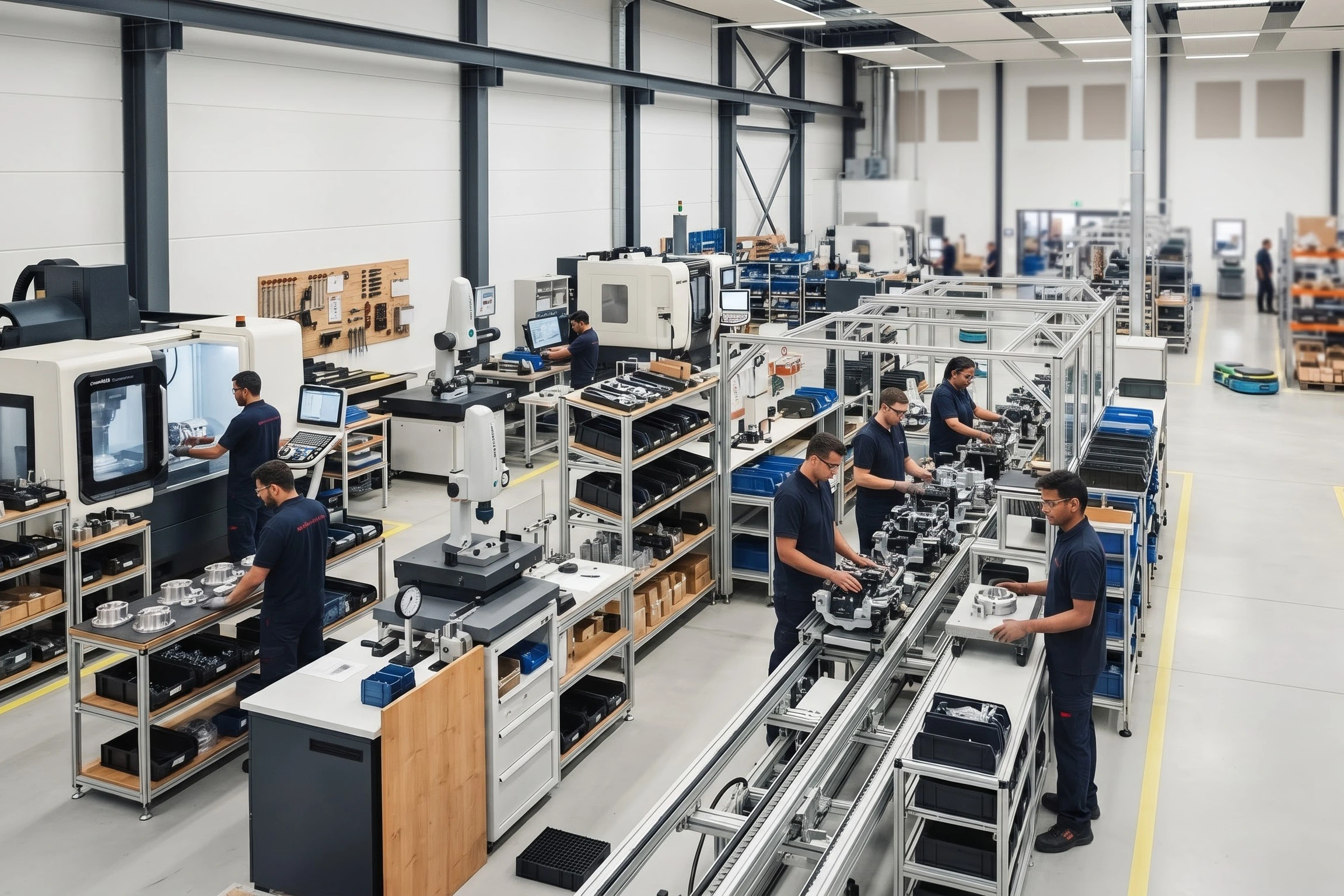
Operational businesses create value by converting resources into customer outcomes. Yet significant capacity can remain under-utilised while bottlenecks, delays and process constraints limit what the organisation can actually deliver.
Productivity becomes difficult to improve when asset utilisation, labour, production capacity and operational processes are viewed independently rather than as parts of the same operating system.
The challenge is therefore not simply doing more. It is understanding where productive capacity is being lost, why constraints occur, and how existing resources can generate greater value.
-
help
"Are our assets and operational capacity fully utilised?"
-
help
"Where are bottlenecks reducing throughput?"
-
help
"Which resources remain underproductive?"
-
help
"How can existing capacity generate greater value?"
Diagnostic Focus Areas
We examine how resources, processes and operating capacity are utilised to identify where productivity is being constrained.
Capacity & Asset Utilisation
Assess how effectively critical assets and available capacity are being utilised, and identify under-utilised resources that can generate greater value.
Throughput & Bottlenecks
Identify constraints, delays and process bottlenecks that limit throughput and prevent available capacity from translating into productive output.
Process & Resource Productivity
Examine how people, processes and operational resources are deployed to identify friction, inefficiency and opportunities to improve productive performance.
Our Approach
We begin by understanding how productive capacity is created and constrained across the operating model—not by starting with a technology solution.
Simpliworx combines business questions, operational analysis and evidence from existing business data to identify where capacity is being lost, where bottlenecks occur and which resources remain underproductive.
The objective is to improve throughput and resource productivity without proportionately increasing the resources required to deliver it.
- Capacity & Performance Baseline
- Bottleneck & Throughput Analysis
- Productivity Improvement Design
The PIM Connection
Productivity is one of the Five Business Performance Dimensions addressed through the Simpliworx Performance Intelligence Model (PIM).
PIM provides a structured approach to understanding the business context, diagnosing performance, designing practical interventions, delivering improvements and developing the capability to sustain them. For productivity, this means connecting operational performance to the resources, processes, capacity and decisions that determine how effectively the business creates value.
Explore PIM arrow_forwardBusiness Outcomes
Improving productivity means creating greater value from existing resources without proportionately increasing the cost and complexity of operations.
Higher Capacity Utilisation
Make better use of existing assets, people and operational capacity before adding new resources.
Greater Throughput
Remove bottlenecks and constraints that prevent available capacity from becoming productive output.
Reduced Operational Friction
Identify process delays, inefficiencies and resource constraints that reduce productive performance.
Greater Value from Existing Resources
Improve the contribution of existing operational resources to customer outcomes and business performance.
Initiate an Executive Discussion
If your business has available resources but productivity is becoming harder to improve, the causes may sit across capacity, processes, assets and operational constraints. Discuss your situation with our senior team and explore where productive capacity may be being lost and where improvement could begin.
Initiate Discussion arrow_forward